Quick answer: A plasma pen is a handheld cosmetic device that creates a small electrical arc just above the skin. The heat produces controlled, superficial points of injury. The skin then contracts and begins a repair response, which is why the treatment is used for concerns such as fine lines, loose-looking skin and uneven texture.
Important: plasma pen treatment does not involve a surgical incision, but it is not risk-free or suitable for everyone. Results vary, healing is visible, and a trained practitioner must assess skin type, medical history, treatment area and contraindications before proceeding.
You may also hear this treatment called fibroblast plasma pen, plasma fibroblast therapy, plasma exeresis or plasma skin tightening. These names generally describe a device that creates tiny thermal treatment points without the tip cutting the skin.
This guide explains what a plasma pen does, what a treatment appointment and recovery may involve, what the research can and cannot tell us, and how practitioners can train to offer the treatment responsibly. If you are comparing professional training, you can also view our VTCT Level 4 Plasma Pen Training course.
What is a plasma pen?
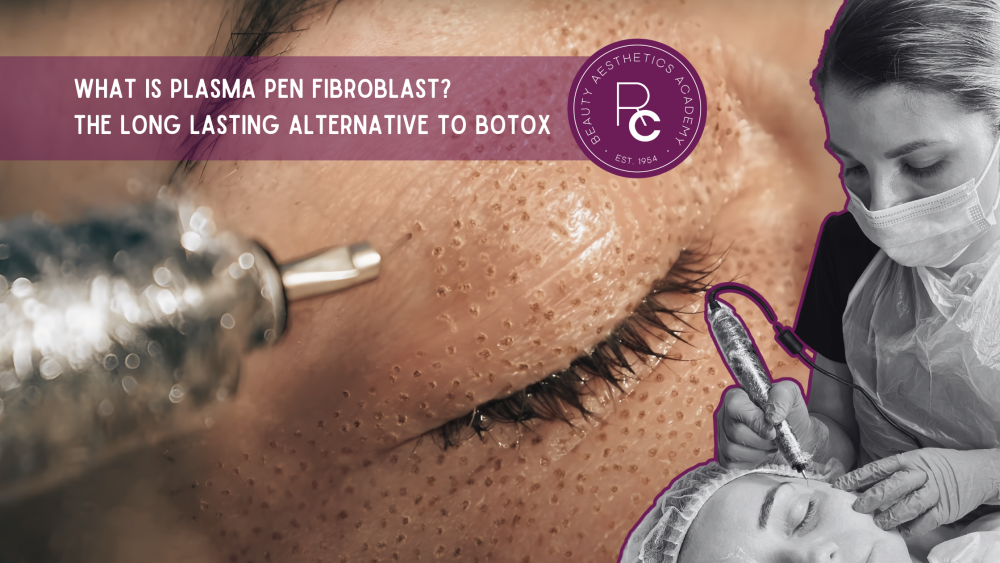
A plasma pen is an energy-based device used in non-surgical cosmetic practice. When the device is held close to the skin, electrical energy ionises the gas in the small gap between its tip and the skin. This creates a brief plasma arc. The arc transfers heat to a very small treatment point and produces the familiar dot pattern seen immediately after a session.
The word fibroblast refers to cells in the dermis that help produce collagen and other components of the skin’s supporting structure. The treatment is marketed as fibroblast therapy because the controlled injury and subsequent repair response may stimulate remodelling in the treated area. It is more accurate to describe this as a healing response than to suggest that the pen simply “adds collagen”.
A fibroblast plasma pen is not the same as a microneedling pen. Microneedling uses sterile needles to create channels in the skin. A plasma pen creates thermal treatment points without a needle entering the skin. It is also different from cold atmospheric plasma, an emerging technology studied for several dermatological applications. Similar wording can cause confusion, but the devices, energy levels and intended uses are not interchangeable.
How does plasma fibroblast treatment work?
The practitioner places individual treatment points in a planned pattern. Each point causes immediate contraction at the surface and starts an inflammatory and repair process. Over the following weeks, the area heals and the appearance of the skin may continue to change.
The result depends on much more than the device. Treatment pattern, energy setting, skin condition, area treated, aftercare and the client’s own healing response all matter. More energy or more treatment points do not automatically produce a better result. Over-treatment can increase the risk of burns, scarring and changes in pigmentation.
Plasma pen is sometimes promoted as an alternative to surgery, injectables or laser. That comparison needs care. These treatments work in different ways and are not direct substitutes. A consultation should establish the concern, likely benefit, acceptable downtime and whether another treatment or a medical referral would be more appropriate.
What can plasma pen treatment be used for?
Practitioners commonly use plasma pen treatment to improve the appearance of:
- fine lines around the eyes or mouth
- mild loose-looking skin on selected areas
- uneven texture and some superficial irregularities
- selected scars or stretch marks, following careful assessment
Not every concern is appropriate for cosmetic plasma treatment. Pigmented lesions, unexplained lumps, changing moles, active skin disease and suspected medical conditions should not be treated as ordinary cosmetic imperfections. They need assessment by an appropriate medical professional.
Treatment close to the eyes requires particular care. The fact that a device does not use laser light does not make the area automatically safe. Practitioner competence, device instructions, eye-area anatomy, spacing, settings and client suitability all remain important.
What happens during a plasma pen appointment?
A professional appointment should begin with consultation, not treatment. The practitioner should discuss the client’s goals, medical history, medication, previous procedures, tendency to scar, sun exposure, skin response and ability to follow aftercare. Clear photographs and informed consent help both client and practitioner agree on a realistic starting point.
On the day, the skin is cleansed and the treatment area is marked. A topical anaesthetic may be used when appropriate and in line with professional guidance. The practitioner then works in a controlled pattern, keeping to the treatment plan and the manufacturer’s instructions. Appointment length varies with the size and complexity of the area.
Clients often describe heat or a stinging sensation. Immediately afterwards, the skin may feel warm and look red or swollen. Small dark crusts form where the treatment points were placed. These are part of the healing process and should not be picked or rubbed away.
What results and downtime can you expect?
Some surface contraction can be visible straight away, but the final result should not be judged on the day of treatment. Swelling can temporarily change how tight the area looks. A more useful assessment takes place after the crusts have shed and the skin has settled.
Visible healing commonly takes around a week, although this varies by treatment area, intensity and individual response. Redness or sensitivity may continue after the crusts have gone. A practitioner should give written aftercare and explain what is expected, what should be avoided and when to seek advice.
Typical instructions may include keeping the area clean, avoiding picking, protecting it from sun exposure and delaying unsuitable active skincare or other treatments until healing is complete. Clients should follow their own practitioner’s instructions because aftercare must reflect the device, area and treatment delivered.
Results are variable. Some clients notice an improvement after one session, while others may be advised that a further session could be considered after full healing. No responsible practitioner should promise a permanent result or guarantee that one treatment will replace surgery.
What are the risks, and who may not be suitable?
Expected short-term effects can include discomfort, redness, swelling, tenderness and crusting. Possible complications include prolonged redness, infection, delayed healing, burns, scarring and lighter or darker pigmentation. Pigment change can be particularly distressing and should be discussed honestly before consent.
Suitability cannot be decided from skin colour alone. A full assessment should consider skin type, pigmentation history, keloid or hypertrophic scarring, active infection, inflammatory skin conditions, pregnancy or breastfeeding where relevant to professional policy, immune or healing problems, medication and recent procedures. Device-specific contraindications and the practitioner’s insurer may add further restrictions.
Clients with darker skin tones are not automatically excluded, but neither should plasma pen be advertised as “colour blind” or universally suitable. The practitioner must understand post-inflammatory hyperpigmentation and hypopigmentation, use appropriate selection criteria and stay within their competence.
When to seek help
A client should contact the treating practitioner promptly if pain, swelling or redness is worsening rather than settling, or if there are signs of infection, unexpected blistering, eye symptoms or another concerning reaction. Urgent or severe symptoms require appropriate medical advice.
Does plasma pen treatment work?
There is some encouraging clinical research, but the evidence base is still limited. Small studies have reported improvement after plasma exeresis for concerns including upper eyelid skin laxity, periorbital rejuvenation and xanthelasma. These studies are useful, but their participant numbers were modest and their methods do not justify universal promises about results or safety.
For example, one clinical study followed 40 women receiving three plasma exeresis sessions for dermatochalasis, while another reported outcomes in 56 women treated for periorbital rejuvenation. A separate study of xanthelasma involved 15 patients. The findings support further research, but they do not prove that every device, protocol, practitioner or client will achieve the same outcome.
That is why consultation language matters. “May improve” and “results vary” are more accurate than claims such as “works for everyone”, “permanent” or “risk-free”. Good practice also means recording the device used, settings, treatment pattern, consent, photographs, aftercare and follow-up.
Research sources: plasma exeresis for dermatochalasis, plasma exeresis for periorbital rejuvenation and plasma sublimation for xanthelasma.
How do you become qualified to offer plasma pen treatment?
Buying a device or completing a short demonstration is not the same as being ready to treat clients. A practitioner needs a suitable foundation in skin, consultation, contraindications, infection control and professional practice, followed by treatment-specific theory and supervised practical training.
Requirements can vary according to the treatment, local authority, insurer and professional background. Before enrolling, check that the qualification is accepted by your insurer and meets any licensing rules that apply where you intend to work.
Ray Cochrane Academy offers a VTCT Level 4 Plasma Pen Training course for practitioners with a suitable regulated beauty or aesthetics qualification. The course covers consultation, skin assessment, contraindications, treatment planning, practical technique and aftercare through tutor-led theory and practical training.
What will you learn?
- how plasma technology interacts with the skin
- relevant anatomy, physiology and skin healing
- client consultation, consent and realistic treatment planning
- contraindications, risk reduction and when not to treat
- safe setup, infection control and device handling
- supervised practical application and treatment patterns
- aftercare, records, review and management of concerns
If you are still building your foundation, compare the routes on our aesthetics training courses page or read our guide to becoming a qualified non-medical aesthetician. The treatment guide you are reading explains the procedure. The course page provides the current timetable, fees, entry requirements and enrolment options.
Ready to study plasma pen techniques?
View the full Level 4 course, including attendance, entry requirements, skills covered and payment options.
Frequently asked questions about plasma pens
What does a plasma pen do?
It creates a small electrical arc above the skin, producing controlled thermal treatment points. The immediate contraction and later healing response may improve the appearance of selected lines, loose-looking skin and texture.
Is a fibroblast pen the same as a plasma pen?
In cosmetic treatment, the terms are often used for the same type of device and procedure. The name “fibroblast” refers to the cells involved in skin repair and collagen production. Always check the actual device and treatment protocol rather than relying on the marketing name.
Is plasma pen treatment non-invasive?
It does not use a surgical incision or a needle entering the skin, but it intentionally creates superficial thermal injuries. “Non-surgical” is a clearer description than “risk-free” or completely non-invasive.
How long does plasma pen healing take?
Small crusts often shed in about a week, but redness and sensitivity can last longer. Healing time depends on the area, treatment intensity and the client. Follow the aftercare supplied by the treating practitioner.
Can plasma pen be used around the eyes?
Some trained practitioners treat selected concerns around the eyes, but this is a sensitive anatomical area. Suitability, device instructions, practitioner competence and appropriate precautions are essential. It should never be presented as automatically safe.
How long do plasma pen results last?
There is no single reliable duration for every client. Ageing, sun exposure, lifestyle, treatment area, technique and healing response all affect the result. Ask for a realistic review plan rather than a promise of permanent change.
Is plasma pen suitable for every skin tone?
No treatment should be assumed suitable from skin tone alone. A trained practitioner must assess the risk of post-inflammatory pigment change, scarring and other complications for the individual client.
Do I need a qualification to offer plasma pen treatment?
You need appropriate training, competence and insurance, and you must meet any local licensing requirements. Entry routes vary. Our Level 4 course requires a suitable regulated beauty or aesthetics qualification.
This article is for general education and does not replace an individual consultation, medical advice, device instructions, insurance requirements or local licensing rules.