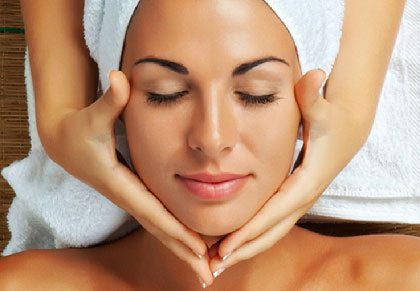
Beauty therapy is the professional care of the face, body and nails through treatments such as facials, waxing, massage, manicures and pedicures. A qualified beauty therapist consults with each client, checks that a treatment is suitable and carries it out safely.
The term covers a broad range of services. It is different from hairdressing, makeup artistry and medical aesthetics, although some professionals later train across more than one of these areas. This guide explains what beauty therapy includes, what a beauty therapist does and how UK qualification levels affect the treatments a therapist can offer.
Ray Cochrane Beauty Aesthetics Academy has taught beauty therapy in London since 1954. We use the term every day with learners, employers and qualified therapists, so we also explain where common labels such as “beautician” and “aesthetician” fit.
What is beauty therapy?
Beauty therapy combines practical treatments with consultation, hygiene, client care and product knowledge. The aim may be to improve the appearance or condition of the skin and nails, remove unwanted hair, support relaxation or help a client maintain a regular personal-care routine.
A treatment is not simply a sequence of steps. The therapist needs to ask about the client’s medical history, allergies, medication and previous reactions. They must recognise contraindications, select suitable products and explain aftercare. These checks are part of professional beauty therapy, even when the service itself looks straightforward.
Beauty therapy training is vocational. Learners study theory, but they also practise treatments and complete assessments that test how they work with real clients. The exact services a therapist can offer depend on their qualification, additional training, insurance and any local licensing requirements.
What treatments are included in beauty therapy?
A general beauty therapist may provide several types of treatment rather than specialising in only one. Common services include:
- facials, cleansing, skin analysis and skincare advice
- waxing and other forms of non-laser hair removal
- manicures, pedicures and basic nail treatments
- eyebrow shaping, tinting and lash treatments
- body massage and Indian head massage
- body scrubs, wraps and related spa treatments
- facial electrical treatments and microdermabrasion, where included in the therapist’s training
Not every therapist offers everything on this list. A Level 2 therapist may concentrate on foundational salon services, while a Level 3 therapist may add massage, facial electrical treatments, body electrical treatments or electrolysis. Someone who prefers skincare may later move into aesthetics training, laser or other advanced treatments.
Makeup is sometimes offered in salons, but makeup artistry is normally trained as a separate subject. Hairdressing also has its own qualifications and should not be assumed to be part of a beauty therapy course.
What does a beauty therapist do?
The visible part of the job is carrying out treatments. Much of the professional work happens before and after the treatment itself.
A beauty therapist will normally:
- discuss the client’s concerns and intended result
- complete a consultation and check for contraindications
- prepare and clean the treatment area and equipment
- select products and adapt the service to the client
- perform the treatment within their training and insurance
- keep accurate client records
- give realistic home-care and aftercare advice
- recommend a future appointment only when it is appropriate
The balance changes with the workplace. In a spa, the day may include massage, body treatments and facials. A salon therapist might spend more time on waxing, nails, brows and lashes. At a skincare counter or product clinic, consultation, skin analysis and retail advice may form a larger part of the role.
Therapists can work in salons, spas, hotels, cruise ships, wellbeing centres, skincare companies or their own businesses. Those career choices are covered in more detail in our step-by-step beauty therapist career pathway.
What skills does a beauty therapist need?
Good practical technique matters, but clients also notice how a therapist communicates and manages the appointment. The work requires attention to hygiene, accurate timing and the confidence to decline or postpone a treatment when it is not suitable.
Useful skills include:
- manual dexterity and careful practical work
- clear communication during consultations
- observation and attention to changes in the skin or nails
- professional boundaries and respect for client privacy
- time management between appointments
- basic retail and product knowledge
- the ability to maintain hygiene standards throughout the day
Beauty therapy can also be physically demanding. Therapists may stand for long periods or repeat small hand movements throughout the day. Correct posture, equipment setup and sensible scheduling help protect both the therapist and the client.
What are the benefits of beauty therapy treatments?
Clients book beauty therapy for different reasons. Some want help maintaining their skin or nails. Others value the relaxation and regular personal time that comes with a facial, massage or manicure. A well-planned treatment can also help a client feel more comfortable and confident in their appearance.
The therapist should keep claims proportionate to the service. A facial may leave the skin feeling cleaner and more comfortable, but it should not be presented as medical treatment for a skin disease. Massage may support relaxation, but a beauty therapist should not diagnose pain or promise to treat a medical condition.
This boundary is one reason consultation and referral matter. When a concern falls outside the therapist’s training, the correct response may be to refer the client to a GP, pharmacist, dermatologist or another appropriately qualified professional.
Beauty therapist, beautician and aesthetician: what is the difference?
These terms are sometimes used loosely, so job titles alone do not tell you exactly what someone is qualified to do.
In the UK, “beautician” often describes someone offering foundational services such as nails, waxing, brows, lashes and basic facials. “Beauty therapist” is more commonly associated with broader vocational training, often through Level 2 and Level 3 qualifications. Employers and salons may still use the words interchangeably.
An aesthetician normally focuses more closely on skin and non-surgical aesthetic treatments. The role may involve chemical peels, microneedling, laser or other device-led procedures, depending on the practitioner’s qualifications. It does not automatically mean that the person has completed general beauty therapy training.
The safest way to compare practitioners is to check their actual qualifications, treatment training, insurance and experience rather than relying on the title they use.
What qualifications are used in UK beauty therapy?
You do not need a university degree to train as a beauty therapist. Most people take vocational qualifications issued by an awarding organisation such as VTCT Skills, ITEC, CIBTAC, CIDESCO or City & Guilds.
Level 2 beauty therapy
Level 2 introduces the foundations of salon work. A typical programme may include facials, waxing, manicures, pedicures, brow and lash treatments, consultation, hygiene and client care. It can prepare a learner for junior roles and provides the base for further training.
See our VTCT Level 2 Beauty Therapy course for the exact units, entry requirements and study options.
Level 3 beauty therapy
Level 3 builds on the foundation and usually covers more advanced body and facial work. Units may include body massage, Indian head massage, anatomy and physiology, facial electrical treatments, body electrical treatments, microdermabrasion and electrolysis. The exact syllabus depends on the qualification.
Our VTCT Level 3 Beauty Therapy course is intended for learners progressing from Level 2. Beginners who want to complete both stages can compare the combined Level 2 and Level 3 route.
Specialist and advanced qualifications
After Level 3, therapists may specialise in areas such as massage, nails, skincare, laser or advanced aesthetics. The right next step depends on the treatments they want to perform. Our separate guide to beauty therapy qualification levels compares progression in more detail.
Watch Academy director Eleonora Androva explain the structure of Level 3 Beauty Therapy and who the course is designed for:
Thinking about becoming a beauty therapist?
This article explains the profession. If you are deciding how to enter it, use our How to Become a Beauty Therapist guide. It covers the Level 2 to Level 3 training route, how long training can take, choosing an academy, possible workplaces and gaining your first experience.
You can also browse all beauty therapy courses or contact our admissions team if you need help matching your present qualifications to the right course.
Frequently asked questions about beauty therapy
Is beauty therapy the same as aesthetics?
No. Beauty therapy usually covers salon and spa treatments such as facials, waxing, nails, brows, lashes and massage. Aesthetics focuses more closely on skin rejuvenation and other non-surgical procedures. There is some overlap, and many therapists complete additional aesthetics training later.
Do you need a degree to become a beauty therapist?
No. Beauty therapy is normally studied through practical vocational qualifications. The level you need depends on the role and treatments you want to offer.
What is the difference between Level 2 and Level 3 beauty therapy?
Level 2 teaches foundational salon treatments and client-care skills. Level 3 normally adds more advanced massage, anatomy and physiology, electrical treatments or other specialist units. Always check the published syllabus because qualifications can differ.
Can a beauty therapist perform aesthetic treatments?
Only when they have completed suitable additional training and meet the insurer’s and local authority’s requirements for that treatment. A general beauty therapy qualification does not automatically cover procedures such as laser, chemical peels or microneedling.
How long does beauty therapy training take?
Course length depends on the qualification, timetable and the learner’s starting point. Some full-time or fast-track routes take a few months, while part-time progression through Level 2 and Level 3 takes longer. Our career pathway explains the available routes in context.