England is consulting on tighter restrictions for specified high-risk cosmetic procedures, with responses due by 13 January 2027. A separate licensing scheme is planned for lower-risk treatments. For students choosing an aesthetics course, the final requirements are still uncertain. The need for sound training is not.
Our students at Ray Cochrane have been discussing the parliamentary reports and what regulation could mean for their careers. I welcome that interest. Understanding the responsibilities that come with a treatment is part of becoming a practitioner.
As Education Director, I welcome the direction of reform. I also find the pace frustrating. When people are being harmed, another consultation can feel a long way from the protection they need. My concern is how we turn proposals into standards that clients can rely on, while giving responsible students a clear route into practice.
By Eleonora Androva, Education Director. Regulatory information checked on 1 November 2026. This article combines an educational overview with my professional opinion; it is not individual legal or insurance advice.
What the BBC’s reporting tells us about the risks
In the BBC’s File on 4 investigation, Back Street Beauty, broadcast on 5 November 2024, reporter Jane Deith described parts of the aesthetics industry as the "Wild West". The programme reported facial infections requiring emergency surgery and a filler complication that blocked a blood vessel. These were accounts of people living with the consequences of treatment, not simply concerns about paperwork.
Those cases deserve to be taken seriously. They do not tell us how often complications occur across every treatment or provider. Nor should we treat a superficial peel and a liquid Brazilian butt lift as equivalent risks.
For me, the educational lesson is that students must understand what can go wrong, what falls outside their competence and when a client needs medical help. Being able to follow a treatment sequence is only one part of that responsibility.
Why I want to see faster progress
The Health and Care Act 2022 gave the government powers to establish licensing. A consultation followed in 2023, with the government response published in August 2025.
The Women and Equalities Committee’s February 2026 report called for stronger safeguards. Its September follow-up challenged the continuing delay. The latest high-risk consultation opened on 21 October 2026.
Work has happened, but students and providers are still waiting for important answers. That uncertainty affects decisions about training, equipment and premises. I want the next stage to bring clear requirements, practical guidance and enforcement that can distinguish responsible practice from unsafe shortcuts.
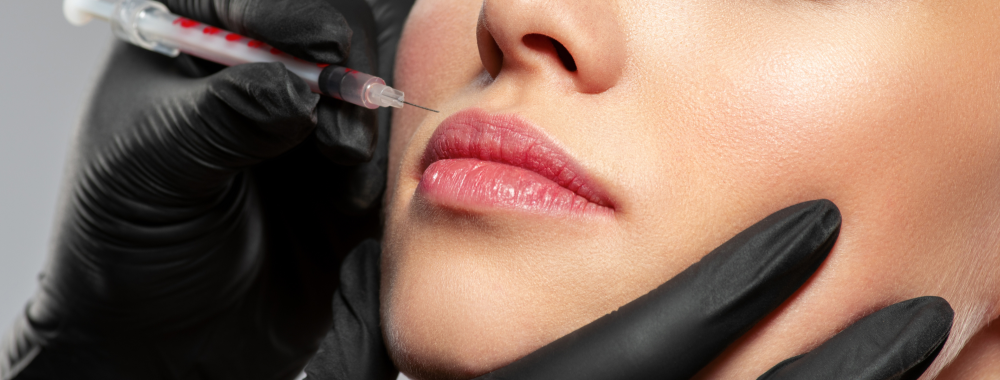
It would be inaccurate to say England has no laws in this area. Botulinum toxin is a prescription-only medicine, and cosmetic Botox and filler injections for under-18s have been prohibited in England since October 2021, subject to limited medical exceptions. The problem is the gaps in who may perform procedures and the consistency of the safeguards around them.
What is England proposing now?
The October 2026 consultation proposes restricting specified high-risk non-surgical procedures to doctors, dentists and independent prescribing nurses, midwives and pharmacists. Providers would need Care Quality Commission (CQC) registration. Cosmetic surgery, including filler injected anywhere other than the face, would be restricted to doctors.
The proposed list includes deep peels beyond the dermal-epidermal junction, dermal microcoring, IV procedures and specified laser treatments. Laser or IPL on the eyelid or within the periorbital rim around the eye is included. Microcoring removes small cores of tissue; it is different from ordinary microneedling.
The proposals include an age limit of 18, with specified NHS and medical exceptions, and criminal offences. They are not yet final law. Responses close at 11:59pm on 13 January 2027. Read the full definitions and exceptions before drawing conclusions about a particular treatment.
The separate commitment to lower-risk licensing matters to many beauty professionals. This consultation does not settle that scheme’s detailed training requirements or start date.
Lower risk still requires professional judgement
I am concerned that the phrase "lower risk" can sound reassuring in the wrong way. It is a comparison between procedures, not a promise that nothing can go wrong.
For a student learning peels or microneedling, understanding the skin helps explain why a treatment may be suitable for one client and unsuitable for another. Consultation, infection control, aftercare and knowing when to refer are part of the treatment, rather than extras to fit around it.
That is why I want training discussions to go beyond which device a student will learn to use. Can they explain their decision? Can they recognise a reason to postpone treatment? Do they understand the limits of the qualification they are working towards? Our laser consultation guide shows the kind of reasoning that comes before a treatment begins.
What England can learn from Scotland
Scotland now has its own Act and a separate council-licensing order. The council-licensing requirement for defined procedures applies from 6 September 2027, subject to exemptions and transitional protection. The Act’s main premises offence has a separate commencement process. Our updated Scotland regulation guide explains the distinction.
The two countries can take different legal approaches. Scotland is not an official pilot for England, and we should not assume England will copy its rules. I do think its implementation can offer useful lessons: how clearly requirements are explained, how businesses prepare and whether oversight works in practice.
I would like clients to be able to expect consistent safety standards wherever they seek treatment in the UK. The Professional Standards Authority made the case for a consistent UK-wide approach in August 2025. Students also need to understand where their training leads without confusing an English qualification with permission to practise in every UK jurisdiction.
How regulated qualifications have developed
Structured aesthetics qualifications have developed over several years. They did not all arrive in 2025 or 2026.
- In April 2023, VTCT announced ten higher-level beauty qualifications, including Level 4 laser and light qualifications.
- From 1 August 2023, further qualifications became available, including Level 5 awards in skin peeling and radiofrequency microneedling.
- In May 2025, VTCT Skills announced a new injectables qualification within a regulated progression pathway from Level 4 to Level 7.
These are examples of launches, not the first appearance of every qualification at those levels. The exact title and qualification number matter more than the level alone. Our guide to awards, certificates and diplomas explains how to compare them.
I welcome routes that give students defined learning outcomes and assessed work. However, an Ofqual-regulated qualification, including Level 7, does not make its holder a healthcare professional or independent prescriber. It cannot override legal restrictions on who may perform a procedure. Qualification regulation and permission to practise answer different questions.
Scotland illustrates the distinction. Cosmetic injectables are included in the Act’s permitted-premises route, although the main premises offence still awaits commencement. A qualification alone does not determine the setting or role in which a graduate could offer those treatments.
What that means in our classrooms
At Ray Cochrane, our Level 4 Advanced Aesthetic Therapies course covers superficial chemical peels and microneedling. Students complete at least four supervised practice case studies and four separate practical assessments for each treatment. That is at least 16 treatments in total: eight in practice and eight under assessment.
The practice case studies are part of our academy’s training arrangement. They give students time to use feedback before assessment. The counts describe treatments, not 16 different clients or attendance days. Our Level 4 assessment guide explains the theory work, practical observations and portfolio evidence.
For me, the value is in what happens during that work. A tutor can question a treatment decision, identify an omission in a consultation or ask a student to explain their aftercare. A student needs opportunities to recognise those gaps and improve, as well as an assessment that checks what they can do independently within the required criteria.
My outlook, and what students can do now
I expect closer scrutiny of practitioner competence as the regulatory programme develops. That is my reading of the policy direction, not a prediction of a particular legal deadline or a mandatory qualification level. I would like to see clear, proportionate standards with credible routes for appropriately trained professionals, and restrictions that reflect the risks of the procedure.
Students can make useful decisions now. Before paying for a course, ask for its full qualification title, entry requirements and treatment scope. Find out how much supervised practice you will have and what you must demonstrate to pass. Check the qualification through the official register. Be cautious about promises that a course will automatically satisfy rules that have not yet been finalised.
If you are starting out, our VTCT Skills (ITEC) Level 3 Certificate in Access to Aesthetic Therapies is one possible foundation. For progression, ask admissions to compare your existing certificates with the requirements of the course you are considering. Separately, confirm the requirements for your intended practice with your insurer and the relevant council or regulator.
I want students to leave training able to explain both what they can do and where their limits are. That responsibility exists while legislation is being developed, and it will remain when the rules change.
Email admissions with your existing qualifications and the treatments you would like to study. We can help you compare suitable courses and explain how the training is assessed.