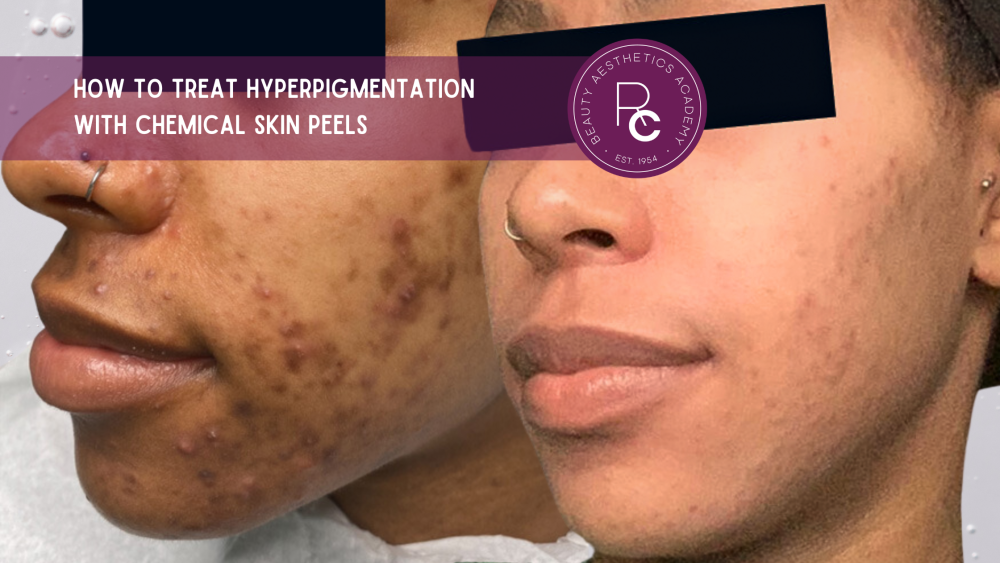
If you use any social media platform and are interested in beauty and aesthetics, you would have seen the transformative powers of a chemical peel by now! The chemical peel industry is valued at $2.2 million as of 2024 and is only expected to continue growing. Chemical peels are a popular choice to treat various skin concerns, including wrinkles, fine lines, scarring, uneven skin tone, and hyperpigmentation.
In this blog, we will focus on how chemical peels can benefit your client’s hyperpigmentation by delving into what hyperpigmentation is, the science behind chemical peels and how to become qualified to deliver chemical skin peeling treatments.
Lets get started!
What is hyperpigmentation?
Understanding how the skin works and the underlying causes of hyperpigmentation is the only way to begin effective and lasting treatment.
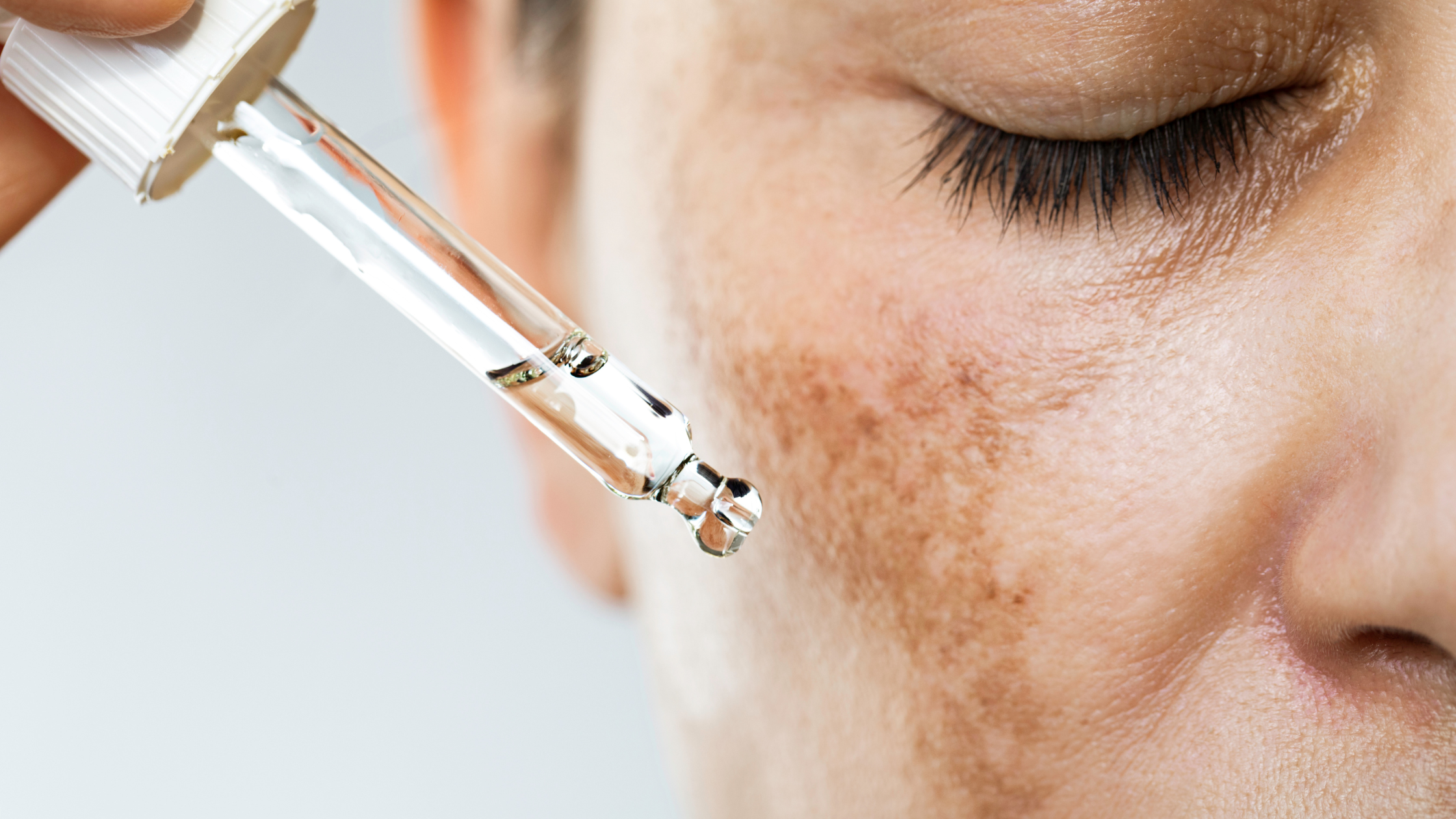
Hyperpigmentation, more commonly known as dark patches or discolouration, occurs from an overproduction of melanin, the pigment that gives skin its colour. This overproduction can be triggered by various factors such as sun exposure, hormonal changes, ageing, and inflammation.
It appears as dark patches or spots on the skin, disrupting an otherwise even skin tone. There are also many types of hyperpigmentation, such as melasma, postinflammatory hyperpigmentation, sun spots, liver spots and even freckles. While hyperpigmentation is not a health concern or even dangerous, it is definitely a cosmetic concern for many.
To treat hyperpigmentation, you need to use products that contain melanin suppressors to brighten, lighten, or fade the pigmentation. These suppressors suppress the process of melanogenesis- the production and distribution of melanin. You can only treat hyperpigmentation permanently by suppressing the body’s overproduction of melanin.

How to treat hyperpigmentation?
Treating existing hyperpigmentation marks and reducing the appearance of new ones is a multi-pronged approach. It begins with prevention – sunscreen, hats, and reducing exposure to the sun, which will ensure no new hyperpigmentation patches.
But what about existing hyperpigmentation? Usually, after clients have tried everything they can at home and found that they have not been able to fade their hyperpigmentation, they will turn to professional skincare treatments for hyperpigmentation. The options for professional treatments for hyperpigmentation include:
- Chemical Peels
- Microdermabrasion
- Laser resurfacing
- Intense pulse light therapy
- Prescribed medication such as retinoids and Hydroquinone.
Most aestheticians suggest that the first line of professional treatment often involves topical products such as chemical peels. These peels exfoliate the skin, removing the damaged outer layers and allowing healthy skin to emerge. But not all peels are created equal. The depth of the peel, its ingredients, and the skin’s response all determine its effectiveness in treating hyperpigmentation.
How do chemical peels treat hyperpigmentation?
Chemical peels are a powerful solution for addressing hyperpigmentation by effectively exfoliating the skin and targeting stubborn dark spots. The procedure consists of a carefully applied chemical solution to the skin, triggering a controlled exfoliation process that encourages the shedding of old, pigmented skin layers.
This gentle yet transformative process stimulates the skin’s regeneration process, promoting the development of fresh new skin cells and collagen, ultimately resulting in a more even and radiant complexion.
The intensity of chemical peels can vary, offering a range of options to cater to different skin needs. Superficial peels utilise gentle acids like alpha-hydroxy acids (AHAs) or beta-hydroxy acids (BHAs) to target the outermost skin layer, providing a mild yet effective exfoliation. Medium peels, often containing trichloroacetic Acid (TCA), penetrate deeper into the skin to remove more damaged cells.
For those seeking intensive skin repair, deep peels utilise ingredients targeting deeper dermal layers, significantly improving skin texture and tone. However, they require extended recovery periods and are more suitable for severe hyperpigmentation concerns.
Chemical peels work wonders to reduce the visibility of dark spots and other forms of hyperpigmentation by shedding pigmented skin layers and encouraging the growth of new, healthy skin. Moreover, this treatment addresses existing pigmentation issues by enhancing the skin’s ability to absorb skincare products more effectively. It contributes to the long-term improvement of overall skin health and luminosity.
Popular chemical peel ingredients to treat hyperpigmentation
For an explanation of the ingredient families, read Eleonora Androva’s guide to AHA, BHA and TCA in chemical peels, including why acid percentage alone does not determine a peel’s strength.
Seven popular skincare ingredients often used for chemical peels are Vitamin C, Glycolic Acid, Salicylic Acid, Lactic Acid, Mandelic Acid, Kojic Acid, and Trichloroacetic Acid.
1. Vitamin C
It is a powerful antioxidant that helps to fade dark spots and brighten the skin over time. Applying Vitamin C directly to the skin is more effective than ingesting it. Topical Vitamin C is effective at lightening pigmentation and protecting the skin cells from sun damage.
2. Glycolic Acid
An AHA derived from sugarcane, is a great chemical exfoliant. It removes dead skin cells to reveal a healthier and brighter complexion. Glycolic Acid also has antibacterial and anti-ageing properties.
3. Salicylic Acid
A BHA naturally found in willow bark, is traditionally used to address pimples and acne-prone skin. However, Salicylic Acid is a common ingredient used in chemical peels to treat hyperpigmentation due to its ability to exfoliate, reduce inflammation, and safer peeling actions.
4. Lactic Acid
An AHA derived from milk, is commonly used in chemical peels due to its exfoliating properties. Lactic Acid not only increases cell turnover but also suppresses melanin production.
5. Mandelic Acid
An AHA found in almonds, is more commonly used on sensitive skin due to its gentler exfoliation. It is also known for its brightening properties, making it an excellent ingredient for treating hyperpigmentation.
6. Kojic Acid
Made from different types of fungi, is an excellent melanin suppressor. It prevents tyrosinase, the enzyme essential for melanin production, reducing dark spots and encouraging a more even skin tone.
7. Trichloroacetic Acid (TCA)
This is the most potent acid on the list, making it an excellent choice for deep chemical peels. However, its strength can be adjusted, changing the depth of the skin reached. It works to treat hyperpigmentation by exfoliating, removing damaged skin cells, and breaking down excess melanin.
Watch our Academy director and luxury skin clinic owner Eleonora Androva’s latest video, where she explains the key ingredients to fade hyperpigmentation in depth. ▼
Chemical peel results
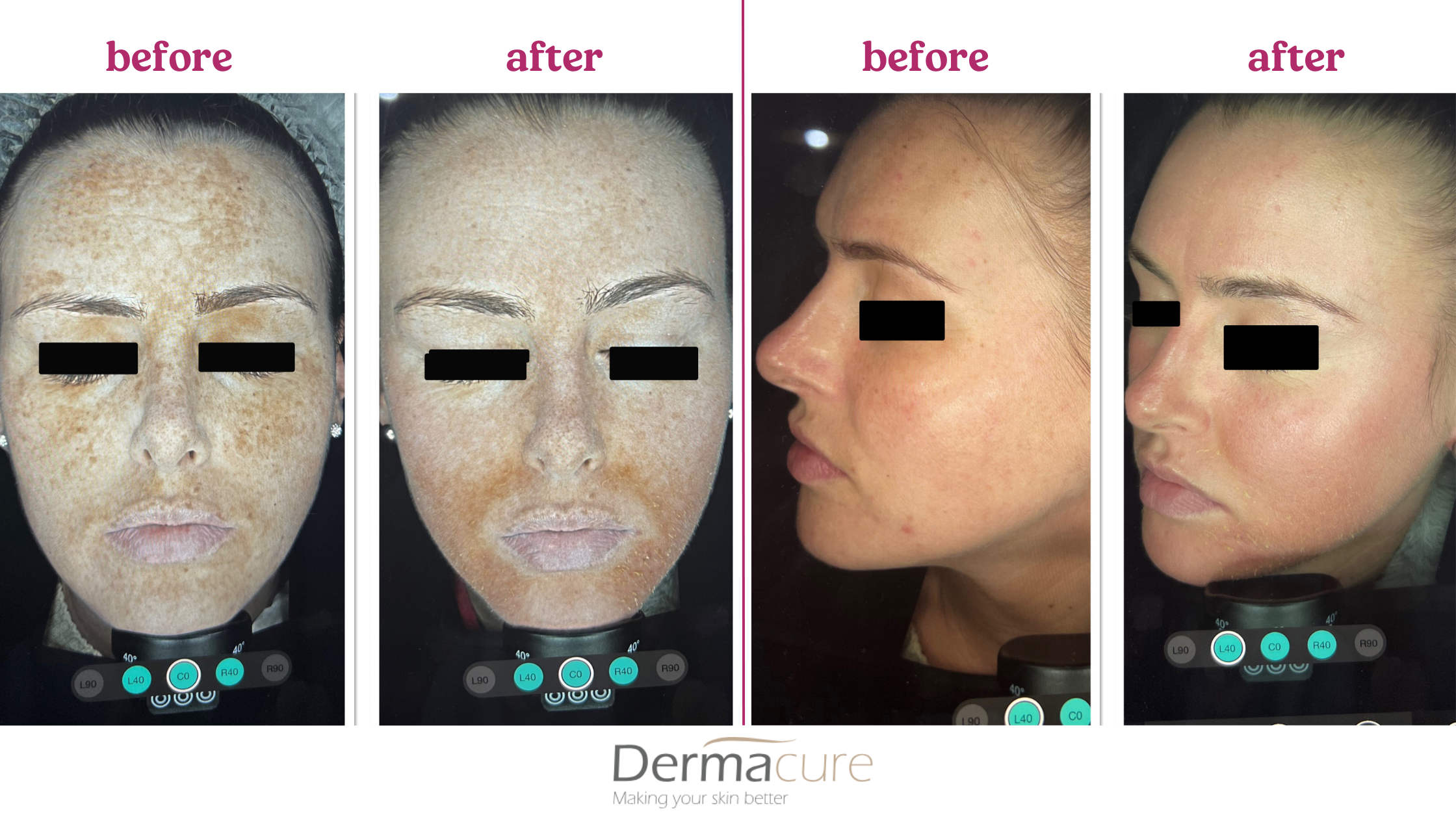
Here are some before-and-after results from clients who have had chemical peels at Dermacure, our school director’s clinic.
The current Level 4 route for chemical peel training
Are you a qualified beauty therapist or aesthetician who wants to offer professional skin rejuvenation treatments, including superficial chemical peels?
The former standalone Level 4 Chemical Peel course is no longer offered separately at Ray Cochrane. Chemical peel and microneedling training are now brought together within the VTCT Level 4 Certificate in Advanced Aesthetic Therapies for Skin Rejuvenation. This Ofqual-regulated qualification also develops the consultation, dermatological science, professional practice and safety knowledge needed to plan advanced treatments responsibly.
Course duration and attendance
The course uses blended learning, combining online theory, video lectures, an e-book and revision activities with practical training, examinations and assessments at our Baker Street academy. Learners can choose between:
- Two academy days per week across five weeks, or
- One academy day per week across nine weeks.
Academy days run from 10:00 am to 5:00 pm. Start dates and availability change throughout the year, so please check the current course dates and places before enrolling.
What the qualification covers
The programme combines advanced skin science with supervised practical training. Learners complete five core areas:
- principles, professional practice and ethical considerations for advanced aesthetic therapies;
- consultative techniques, medical history, contraindications and treatment planning;
- dermatological science, including skin structure, function, ageing and wound healing;
- skin needling treatments for skin rejuvenation; and
- superficial chemical peels for skin rejuvenation.
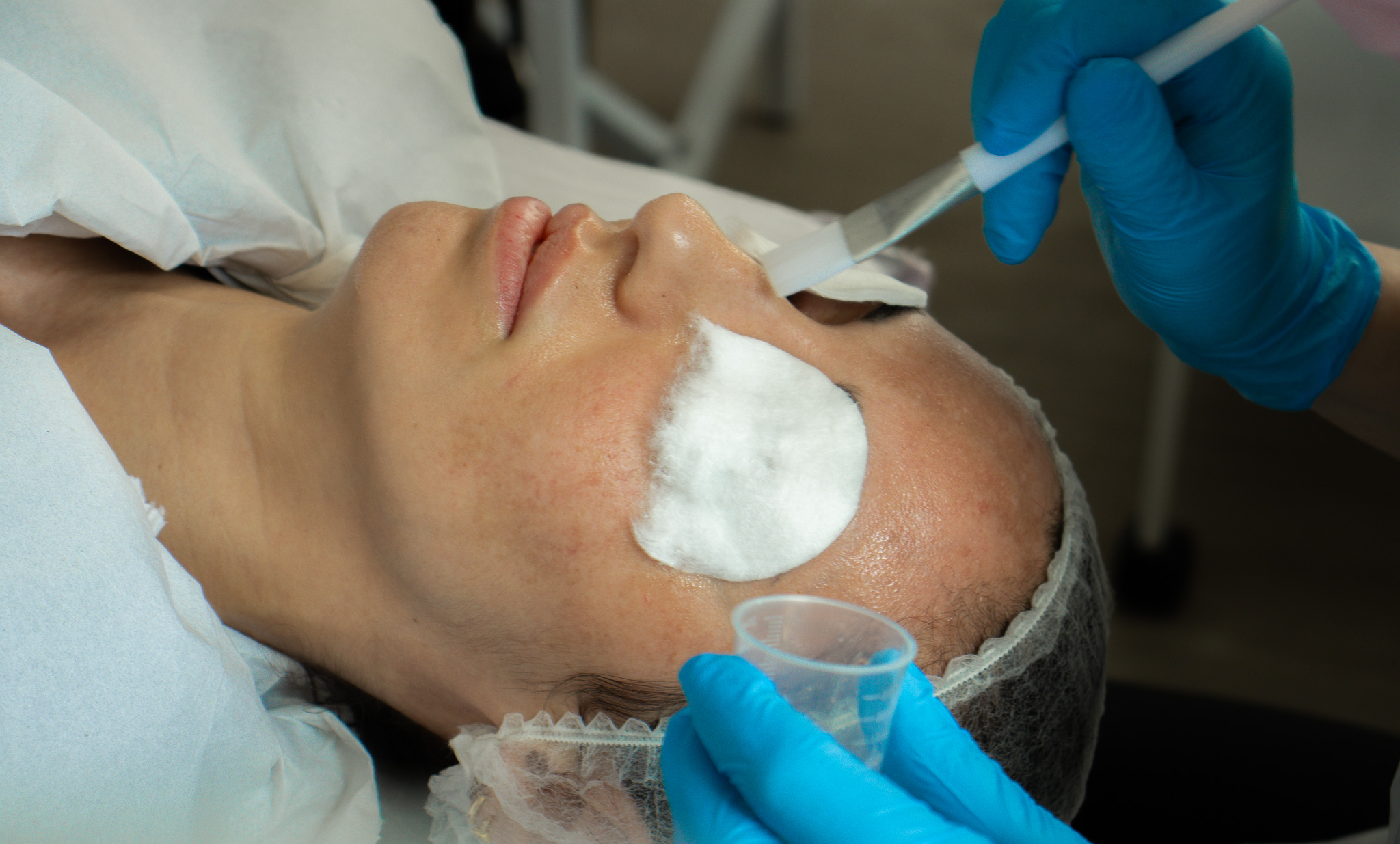
For chemical peels, learners study peel selection, skin preparation, application techniques, expected skin responses, aftercare and ways to minimise and manage sensitivity. Practical training is supported by theory examinations, short-answer assignments and observed practical assessments.
Entry requirements and progression
Applicants must be aged 18 or over and hold a suitable regulated Level 3 beauty or aesthetics qualification that includes Level 3 anatomy and physiology, or a Level 3 Certificate in Access to Aesthetic Therapies. Learners also need a sufficient standard of spoken and written English to complete the theory, consultations and assessments. If you are unsure whether your certificate is accepted, our admissions team can review it before you enrol.
After completing Level 4, practitioners can progress to the VTCT Level 5 Certificate in Non-surgical Aesthetic Procedures for Skin Rejuvenation, subject to its current entry requirements.
Why choose a regulated Level 4 skin rejuvenation qualification?
A professional chemical peel treatment involves far more than applying an acid. Practitioners must understand the skin, recognise contraindications, select an appropriate peel, manage the expected response and give clear aftercare. Regulated Level 4 training brings those decisions together with supervised practice and formal assessment.
- Two advanced treatments in one qualification: develop practical competence in superficial chemical peels and microneedling.
- Stronger clinical judgement: connect dermatological science and consultation findings with safe treatment planning.
- Recognised progression: build a regulated foundation for eligible Level 5 study and further aesthetics development.
- Flexible attendance: choose the five-week or nine-week academy schedule that best fits your commitments.
View the Level 4 course structure, current dates, fees and entry requirements.